Yechiel's Science Corner
Why Guppies Are One of the Most Important Fish in the World
Yechiel Kuperman
Marine Biologist · 49 years in the field
June 2026
3 min read
Marine biologist Yechiel Kuperman on why guppies — natural predators of mosquito larvae used in malaria and dengue control programmes — are among the most important fish in the world.
Most people think of guppies as the small, pretty fish you buy for a child's first tank. They are right that guppies are small. They are right that guppies are pretty. What they do not know is that guppies have been at the centre of some of the most important discoveries in ecology, genetics, and disease control of the last hundred years.
The mosquito connection. Guppies are natural predators of mosquito larvae. A single adult guppy can consume hundreds of larvae per day. This is not a coincidence — guppies evolved in tropical freshwater environments where mosquito populations are dense, and they are extraordinarily efficient at what they do. Several countries have used deliberate guppy introduction programmes to manage mosquito populations without pesticides, with documented success in reducing malaria and dengue fever transmission.
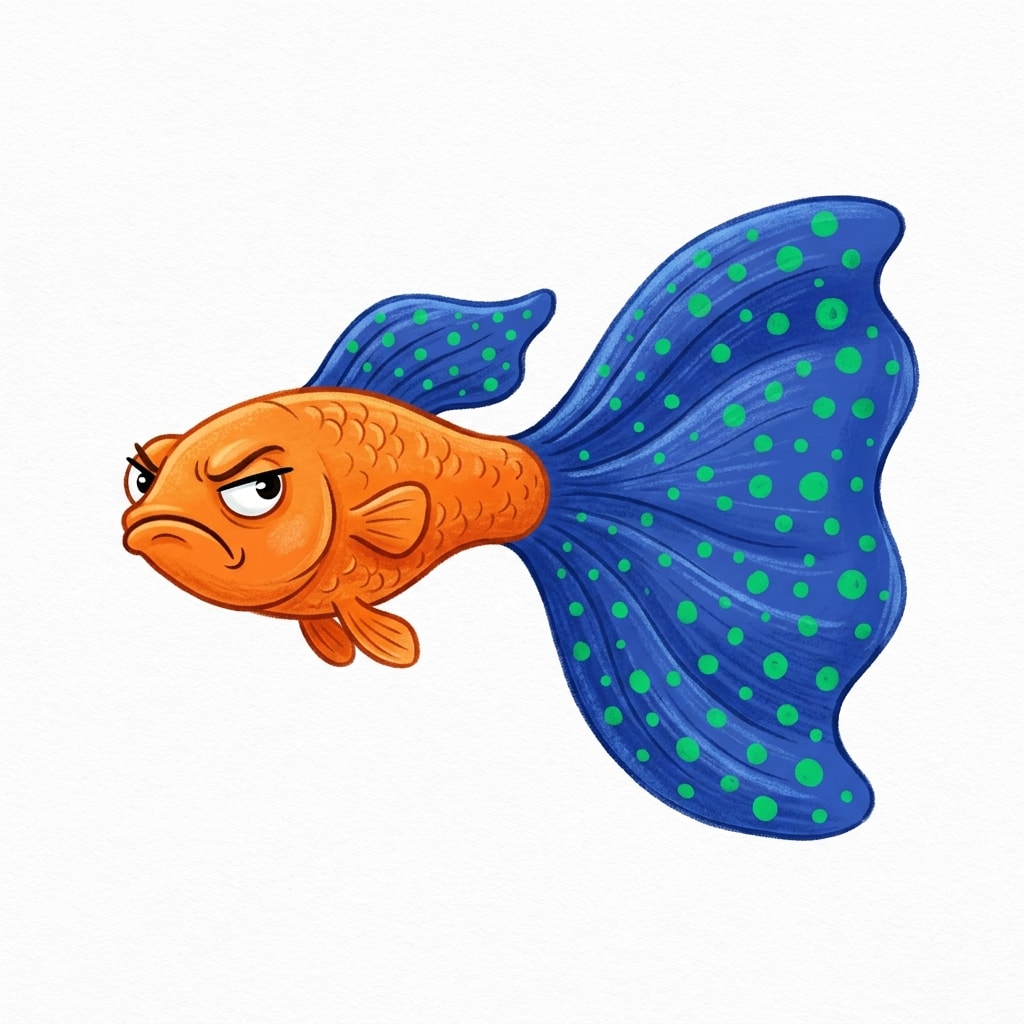
What this means for children's science. When we show George the Cranky Guppy doing his morning patrol, eating mosquito larvae and being grumpy about it, we are not inventing drama for the sake of story. We are showing children a real ecological relationship — one that affects human health in dozens of countries. The science is hiding inside the comedy, and that is entirely deliberate.
— Yechiel Kuperman, Marine Biologist, 49 years in the field
Dispatched from the Fishery Farm by
Yechiel Kuperman
Marine Biologist · 49 years in the field
Keep reading
More from the Bog
 Fishery Tales
On Luck, Colour, and Breathing First
Madame Molly, a lyretail black molly, offers gentle thoughts on luck, colour, and moving comfortably between fresh, brackish, and salt water.
 Madame Molly5 min
 Fishery Tales
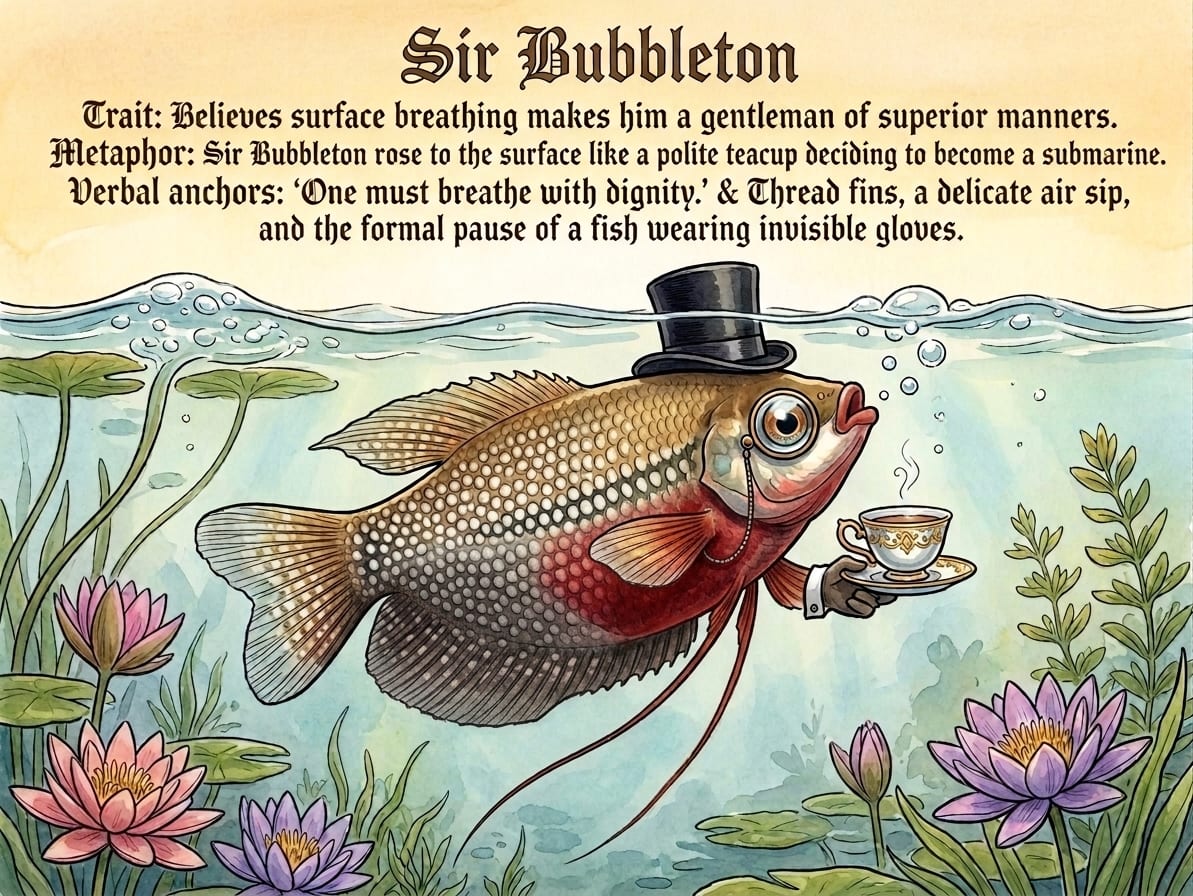
Sir Bubbleton's Journal of Civilised Observations
Sir Bubbleton the Gourami explains the labyrinth organ that lets him breathe air at the surface — and why his surface breath is a necessity, not a tea-time choice.
Sir Bubbleton7 min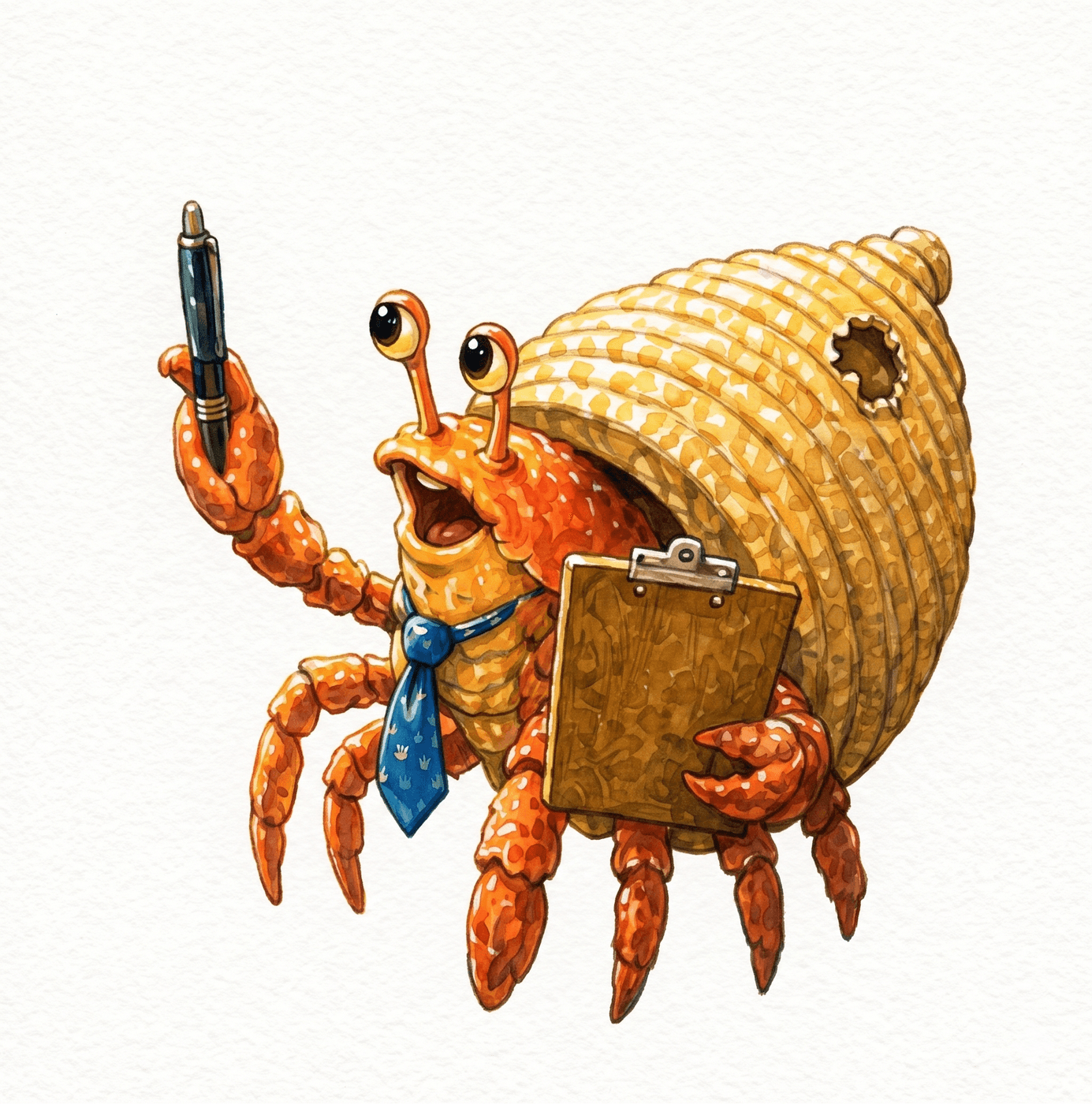 Fishery Tales
I Have Checked For The Net
Pinchy the Hermit Crab hunts the whole tank for the 'inner-net,' never finds it, and decides George would be far less cranky with a good shell instead.
Pinchy the Hermit Crab2 minMeet George in the books.
Funny, dyslexia-friendly marine biology for ages 7–10 — real science, genuinely funny, from a marine biologist.